Scientists have used
gas chromatography-mass spectrometry (GC-MS) to obtain samples in order to construct an in-depth human glomerulus proteome database.
They hope the database will help increase the understanding of renal disease pathogenesis, as well aiding biomarker exploration, the study, published in the Proteome Science journal, said.
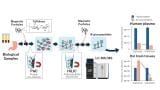
Due the difficulties in obtaining enough tissues for a large-scale proteomic characterisation, the researchers used different mass spectrometers to obtain biopsies, which were compared to small amounts of human glomeruli in high-confidence proteomics analysis.
One microgram of human glomerular protein was analysed on five different LC-combined mass spectrometers, which yielded 139, 185, 94, 255 and 108 proteins that were identified using strict criteria to guarantee high confidence and low false discovery rate.
GC-MS was used to investigate the pathogenic differences in thyroid cancer according to gender and menopausal condition recently.
Scientists sought to evaluate the metabolic changes in urinary steroids in men and both pre and post-menopausal women with papillary thyroid carcinoma, the study, published by BMC Cancer, showed.

 Product directory














.jpg)
.jpg)
.jpg)