Electrophoretic separations
Published over 15 years ago. See the latest and most current information on Electrophoretic separations.
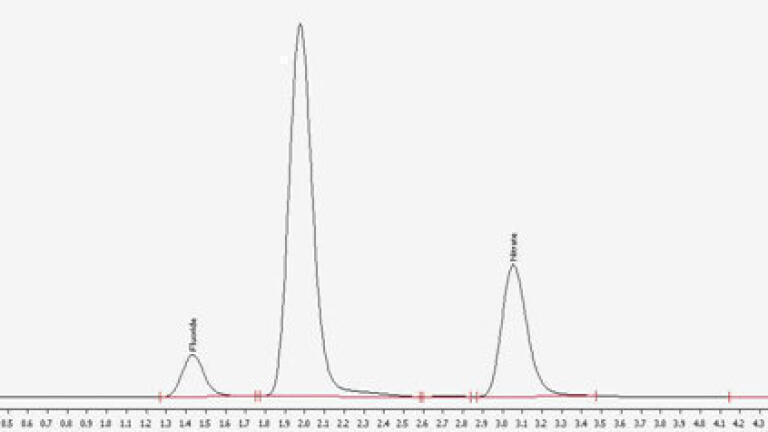
Metrohm UK has developed ion chromatography methods for the measuring the acid profile of the different acids usually present in typical plating bath solutions; usually HF, HNO3 or H2SO4 or a combination of.
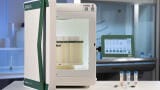
The method requires nothing more elaborate than a simple dilution followed by injection into the 883 Basic IC plus from Metrohm with typical analysis times of less than 20 minutes. The intuitive nature of the MagIC Net Basic software means that the instrument can be run by a shift operator with literally a few mouse clicks.
Historically the plating bath analysis was often performed using a manual wet titration to determine the acid content which was often subjective for semi-skilled personnel and open to errors and costs. Ion chromatography is a robust technique that allows for more accurate and tighter control over the profile of acid content that usually results in considerable cost savings as the bath is more carefully controlled and necessary acid additions made only when required.
Plating bath solutions are used typically in many industrial processes as a final cleaning stage prior to plating and remove the surface oxides and other contaminants. In addition, the metal surface is activated ready for plating and a light etch is achieved that helps provide a better adhesion to the substrate material.
For more information contact: [email protected]

 Product directory