An article published in the open-access periodical BMC Plant Biology reports on the use of two-dimensional gel electrophoresis with tandem mass spectrometry in the
quantitative analysis of maritime pine seedlings' response to light and gravity.
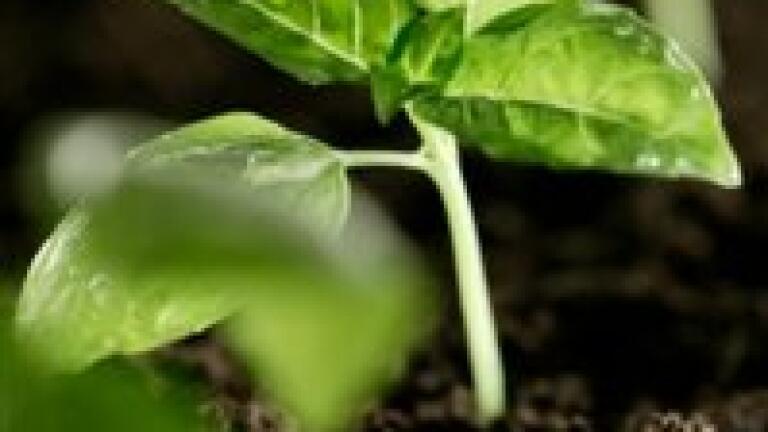
In (Not) Keeping the stem straight: A proteomic analysis of maritime pine seedlings undergoing phototropism and gravitropism, a multinational team of scientists detail their findings of a study into how plants reorient themselves to face the light or respond to gravitational influences.
Plants were seen to be able to realign themselves within two hours to their primary light source after being tilted by as much as 15 degrees.
Meanwhile, those tilted by 30-45 degrees realigned themselves vertically after two hours, continuing to bend towards their primary light source over the following 22 hours.
The research group consisted of representatives of the Chile Instituto Biologia Vegetal y Biotecnologia at Universidad de Talca, French joint research units INRA and CIRAD, Senegal's Inspection Regionale des Eaux et Forets de Kolda and the Pole proteomique de la Plateforme Genomique Fonctionnelle Bordeaux at the University of Bordeaux.



 Product directory