Environmental laboratory
Published over 16 years ago. See the latest and most current information on Environmental laboratory.
Mercury is widely recognized as a persistent, bio-accumulative, and toxic pollutant (PBT). There are numerous sources of mercury from both natural and anthropogenic activities; however, amongst all the human activities releasing mercury, the burning of coal is far and away the most significant source.
As governments work to control and minimize the environmental burden of mercury emissions from smoke stacks, more efficient, and costly, abatement techniques will be employed. Because mercury is a common contaminant in coal, knowing the mercury content in the coal prior to its combustion will be critical to achieving the desired reductions in mercury emissions and in controlling the cost of the abatement technologies.
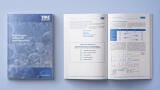
Two commonly used analytical methods for the determination of mercury in coal and combustion residue are ASTM D6414-99 (wet digestion) and ASTM 6722-01 (thermal decomposition). This paper describes the procedures employed and results obtained with each method.


 Product directory