Analytical instrumentation
Published over 6 years ago. See the latest and most current information on Analytical instrumentation.
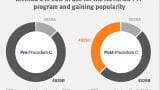
Two common ASTM standard test methods for chlorine are D7536, Chlorine in Aromatics by Monochromatic Wavelength Dispersive X-ray Fluorescence Spectrometry (MWDXRF), and D5808, Organic Chloride in Aromatic Hydrocarbons and Related Chemicals by Microcoulometry. This paper will break down the differences between each of these test methods, as well as review data from the ASTM Aromatic Hydrocarbons Proficiency Testing Program (PTP).
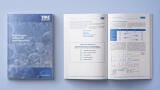
Read our whitepaper to compare study results for total chlorine levels using MWDXRF vs. microcoulometry.


 Product directory