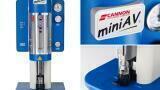
Analytical instrumentation
Published over 19 years ago. See the latest and most current information on Analytical instrumentation.
Used oil analysis laboratories have long relied on viscosity measurement as a key parameter in determining the condition of in-service engine oil. However, the methods used to determine viscosity often vary in laboratories due to the use of a wide array of instruments and measurement techniques. There is limited standardization between commercial oil analysis laboratories on how this key parameter is measured. In contrast, the lube oil manufacturing industry relies on a standardized test methodology for determining the viscosity of engine oil throughout the formulary design, manufacturing and distribution processes. This methodology has predominately been ASTM D 445 - one of the oldest and most widely used test methods in all of ASTM D02. For more than 70 years, users have relied on D445 methodology and instrumentation to provide accurate results for their fluids’ viscosity.


 Product directory