Bioanalytical
Published over 14 years ago. See the latest and most current information on Bioanalytical.
A rare cell has been discovered by researchers at the Walter and Eliza Hall Institute which could act as the immune system's memory, helping it remember an attack.
The new discovery could pave the way for more effective treatments for immune disorders. The T follicular helper cells are very rare, representing less than half of one per cent of all immune cells, but they could be far more influential than what their size and presence suggests.
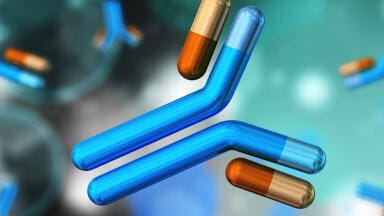
Researchers found that the T follicular helper cells play a key role in antibody production and developing long-lasting immunity. They could also be a therapeutic target for treating diseases relating to chronic inflammatory disease, becoming significantly increased during these diseases.
Dr Katja Luthje, who led the team, said: "Antibodies are fundamental to the body's defence against infection. Antibody production critically relies on the interaction of two cell types: B cells that produce antibody, and helper T cells that recruit and 'teach' the B cells how to respond to infectious agents."
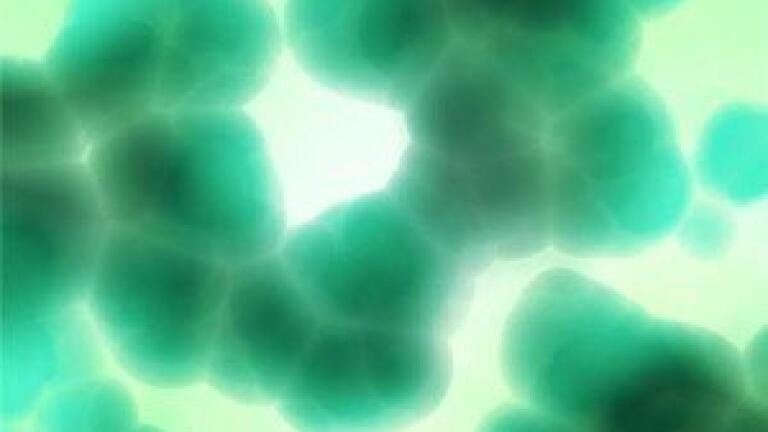
Fluorescent protein was used to identify the cells that are active in the process, which helped discover that of the rate T follicular helper cells, only a subset were actively involved in instructing B cells in antibody production, Dr Luthje added.
Posted by Neil Clark




 Product directory