Bioanalytical
Published over 13 years ago. See the latest and most current information on Bioanalytical.
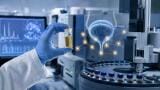
A new laboratory that aims to personalise cancer treatment has opened in London.
The Press Association has reported that the £3 million Tumour Profiling Unit (TPU) at the Institute of Cancer Research will investigate the disease to identify specific DNA faults in individual tumours.
The team hopes to develop sophisticated clinical trials with state-of-the-art technology, providing personalised treatments that follow the molecular development of tumours over time to come up with ways to combat drug resistance.
One of the research's aims is to create "liquid biopsies" that analyse cancer DNA in blood samples. These could help to locate and monitor cancer sub-types that are likely to respond to selected drugs.
Work at the laboratory will begin this year and is expected to lead the way for new methods of diagnosing and tracking cancer, along with strategies to target therapy more effectively.
As part of the research, "mouse avatars" will be used. These will mimic a patient's disease progression, with tumour samples from patients set to be implanted into mice.
The creatures will then be monitored closely as part of quantitative analysis to check for early signs of molecular change and resistance to therapy.
Such work has been made possible thanks to the rapid reduction in the cost of genetic sequencing.
Previously, it took a decade of work and roughly £2 billion to produce the first draft of the human genome, but these can now be sequenced in a day or two at a cost of just £3,000.
Speaking to the news provider, Kate Law from Cancer Research UK said: "Understanding the genetic landscape of each patient's tumour will help us to target many of today's life-saving chemotherapies more effectively, and design more sophisticated clinical trials looking for the cancer drugs of tomorrow.
"Cancer Research UK scientists at the ICR and around the UK are already using such cutting-edge sequencing tools to uncover the genetic weaknesses of tumours with the aim of making treatments more precise and effective."
Posted by Neil Clark

 Product directory