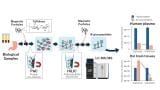
Scientists used tandem mass spectrometry (MS/MS) to investigate the alpha-amylase/protease inhibitor genes and proteins expressed in a single wheat cultivar.
In a study published by the BMC Research journal, scientists from the USDA-ARS Western Regional Research Center aimed to discover more information about proteins in wheat grains and how they affect seedling growth, human nutrition and
food allergies.
Wheat grains build up a variety of low molecular weight proteins that inhibit alpha-amylases and proteases and are thought to have a protective role in the grain.
The team explained that these proteins have more balanced amino acid compositions than the major wheat gluten proteins and as such are likely to contribute nutrients to both seedlings and humans.
In the study, the scientists explained that they identified several previously unrecorded inhibitors as well as discovered genes with substantial sequence differences that encode very similar proteins.
This knowledge "will facilitate further studies on the expression of individual genes in grain produced under different conditions and make it possible to manipulate the composition of alpha-amylase/protease inhibitors in plants using either breeding or biotechnology approaches", the scientists said.





 Product directory