High performance liquid chromatography has been used in a study to determine treatment doses for septic patients treated with continuous renal replacement therapy.
Sepsis in a patient can account for alterations in the pharmacokinetics (PK) of antibiotics, with continuous renal replacement therapy (CRRT) – commonly used in their treatment – thought to exacerbate the changes.
Current recommendations for antibiotic doses are based on data from heterogeneous patient populations in which different CRRT devices and techniques have been used, with the scientists of this study aiming to identify more accurate dosing levels in septic shock patients undergoing CRRT.
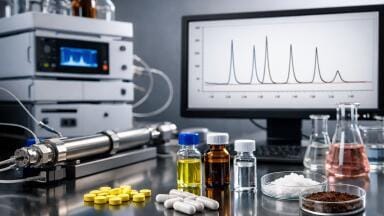
As part of the investigation, published by the journal Critical Care, the team used HPLC to determine the serum concentrations in antibiotics, with levels taken before and one, two, five, six and twelve hours after administration.
They found that recommended doses of beta-lactams for Pseudomonas aeruginosa are adequate for meropenem but not for piperacillin-tazobactam, cefepime or ceftazidime so higher doses or extended infusions are necessary.




 Product directory