Scientists used
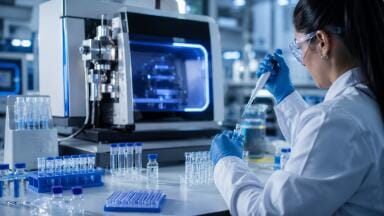
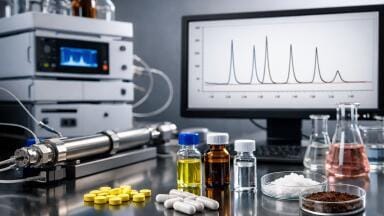
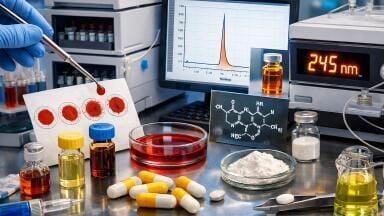
high performance liquid chromatography (HPLC) processes to determine the extent to which certain professions are exposed to chemical contaminates.
In a study published by the BMC Public Health journal, the team, including Atif Kamal, Mazhar Qayyum, Iqbal Cheema and Audil Rashid looked to determine if exposure to polycyclic aromatic hydrocarbons (PAHs) among automobile workshop mechanics (MCs) and car-spray painters (PNs) was illustrated in blood naphthalene (NAPH) levels.
The team explained that while routine exposure to chemical contaminants in the workplace is a concern due to associated health risks, little data is available in Pakistan, where this study took place.
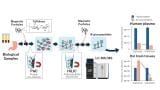
Sixty blood samples were taken from MCs, PNs and a control group, while the subjects were asked to fill out a questionnaire into the environmental conditions - such as ventilation - personal hygiene and whether or not they were smokers.
Through HPLC, the team discovered that MC and PNs did have increased blood NSPH levels than the control group, with the rise significantly exacerbated by poor workplace hygiene and duration of exposure.
Smoking, both passive and direct, and worker negligence were also considered to have an effect, an issued which could potentially be addressed through better training.





 Product directory