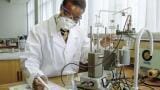
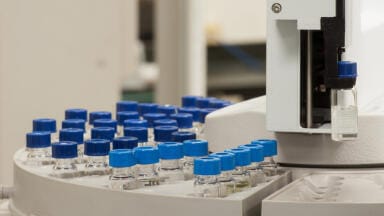
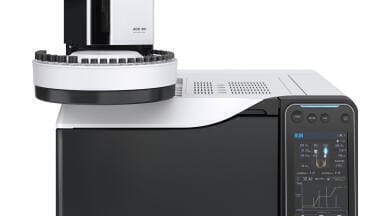
Gas chromatography-mass spectrometry (GC-MS) has been used to study the production of volatile compounds by fungi of the genus Aspergillus.
A team at Michigan State University applied GC-MS to the study of the fungi, aiming to identify links between secondary metabolism and other cellular processes taking place.
They were able to demonstrate that different volatile compounds can be produced by altering some of the environmental conditions to which the fungi are exposed.
For instance, alcohols, aldehydes and esters can be yielded by varying light levels, incubation time and the media to which the fungi are exposed.
The researchers note that a variety of different compounds are produced by Aspergillus fungi, including the extremely carcinogenic substance aflatoxin.
By learning more about the processes through which these volatiles are created, they argue that more control can be gained over them and over the quantities and types of compound produced.
The findings are published in the open-access, peer-reviewed periodical BMC
Biochemistry, the latest edition of which was released this week.


 Product directory













.jpg)
.jpg)
.jpg)