Using
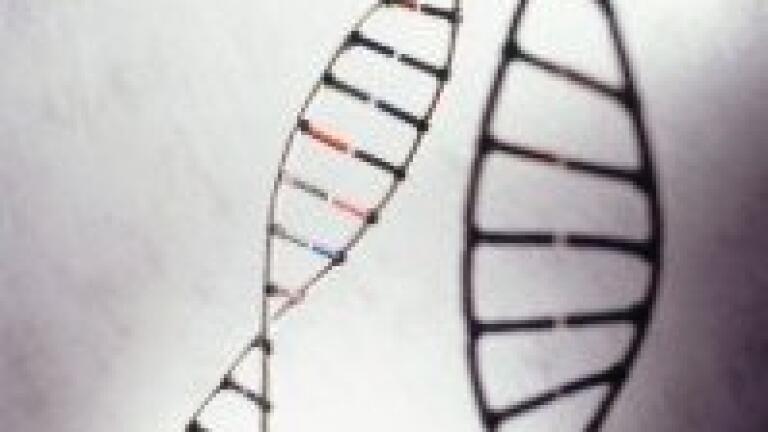
quantitative analysis processes, scientists have identified an indirect suggestion that palindromic AT-rich repeat (PATRR) adopts unstable cruciform structures during spermatogenesis.
In a study published by Molecular Cytogenetics and undertaken by teams in Japan and the US, scientists sought to identify the way that DNA secondary structures impact DNA replication, transcription and genomic rearrangements.
One of the clearest and most known examples is the recurrent constitutional t(11;22) in humans that is mediated by potentially cruciform-forming sequences at the breakpoints, palindromic AT-rich repeats (PATRRs).
In a previous study, the team illustrated that polymorphisms of PATRR sequences affect the frequency of de novo t(11;22)s in sperm samples from healthy males, but this investigation aimed to determine if PATRR polymorphisms affect DNA secondary structure and therefore lead to variation in translocation frequency.
The scientists found that the propensity for DNA cruciform structure of each polymorphic allele correlates with the frequency of de novo t(11;22)s produced.
This strongly suggests that PATRR adopts unstable cruciform structures during spermatogenesis.




 Product directory