
Bioanalytical
Published over 13 years ago. See the latest and most current information on Bioanalytical.
The United States Department of Agriculture (USDA) is investigating novel genetic labs as it aims to achieve faster ways of detecting Escherichia coli (E.coli) in ground beef.
Dr Pina Fratamico from the USDA explored how a next-generation real-time polymerase chain reaction (PCR) system could be utilised to identify specific gene targets, which indicate the presence of dangerous foodborne pathogens.
The results, published in Frontiers in Microbiology, showed that assays performed using the PCR technology are rapid, sensitive and reliable.
Even though not all types of E.coli are dangerous, particular strands contain a potentially dangerous toxin called Shiga, which are also known as STEC and can be found in raw meat.
They can lead to serious food poisoning in humans, with a study from the Food Safety and Inspection Service claiming that 2,300 pounds of ground beef were recalled as a result of contamination with STEC.
The PCR protocol has been used for a number of years in the meat industry, with the test detecting the presence of specific gene targets that highlight the existence of STEC in meat.
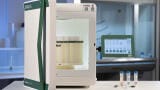
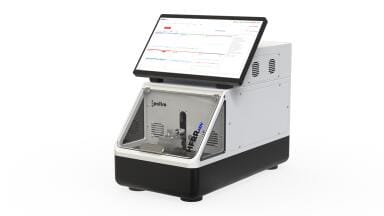
In new PCR systems, a self-contained unit is used to standardise the process, providing obvious advantages for meat processers and inspectors from the industry and government.
Ms Fratamico explained: "Testing using these types of systems is faster, easier, and more reproducible than previous methods, and this should increase food safety in the long run. I feel that we could confidently move to these new systems for screening ground beef and other foods for E. coli contamination.
"Certain groups of STEC have been declared as adulterants by the USDA FSIS, and the availability of rapid and reliable tests for these pathogens is critical so that testing results are available before meat is shipped to restaurants and consumers."
Recently, the US Environmental Protection Agency updated its rule for pathogens in drinking water by setting a e.coli limit in a bid to protect public health.
The regulation aims to ensure all public water systems in the US take steps to prevent exposure to the substance.
Posted by Ben Evans



 Product directory