
Bioanalytical
Published over 13 years ago. See the latest and most current information on Bioanalytical.
The US Pharmacopeial Convention (USP) has announced new revisions for omega 3-rich krill oil and natural, low calorie stevia sweeteners.
These changes have been made to the Food Chemicals Codex (FCC). FCC is the internationally recognised range of standards from the USP, with manufacturers and other partners encouraged to comment on the plans.
Some of the proposals from the FCC Forum include a chromatography test for identity and quantitative assessment of caffeine content in coffee.
It is believed that abilities to identify and measure caffeine will be more critical than ever before as a result of the number of drinks marketed as offering more energy than traditional ones.
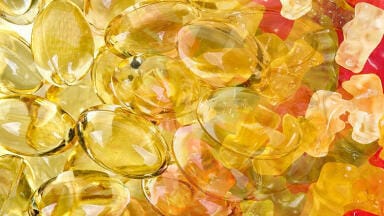
There is also a draft FCC monograph for krill oil, which was deferred from advancement into the final monograph status after feedback revealed that it needed to be strengethened with tests for phospholipids.
Extensive research is being carried out into the substance, as experts believe they could yield benefits for heart and cardiovascular health, along with joint and brain health.
The revised version of the monograph suggests using qualitative and quantitative tests for total phospholipid content.
V Srini Srinivasan, Ph.D, executive vice president, global science and standards at USP, said: "Ensuring the quality of the food ingredients that make up so much of our global food supply is not only part of responsible business practice, but is critical to the health of consumers.
"Public standards defining the identity, quality and purity of ingredients incorporated into finished products can be an important resource for manufacturers as they source ingredients from suppliers around the world."
The representative explained that it is important that manufacturers have assurance that they are receiving the ingredients they expect.
It is especially vital that ingredients are checked to ensure they are not a possible danger to consumers.
In the UK, the Food Standards Agency recently recalled SuperValu Salted Peanuts after one batch was found to contain levels of aflatoxins that broke regulations.




 Product directory