A study of individuals aged from 11 to 99 years old and located in North America and Japan indicates new ways for
pharma professionals to predict colorectal cancer risk.
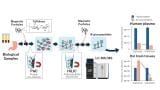
Writing in BMC Gastroenterology, a team of scientists explain how they used tandem mass spectrometry to detect serum levels of the 28 carbon-containing hydroxy polyunsaturated ultra long-chain fatty acid C28H46O4 (CRC-446).
They found an inverse correlation between levels of CRC-446 and increased risk of developing colorectal cancer.
However, the serum levels seen in test subjects were independent of any
pharma intervention designed to combat previous colorectal tumours.
As a result, the scientists recommend using CRC-446 serum levels as an alternative to colonoscopies to predict cancer risk, with the potential to reduce the need for the invasive procedure by 80 per cent.
The periodical provides open access to findings and discussions of all elements relating to diagnosis, management and prevention of gastrointestinal disease.




 Product directory