Bioanalytical
Published over 12 years ago. See the latest and most current information on Bioanalytical.
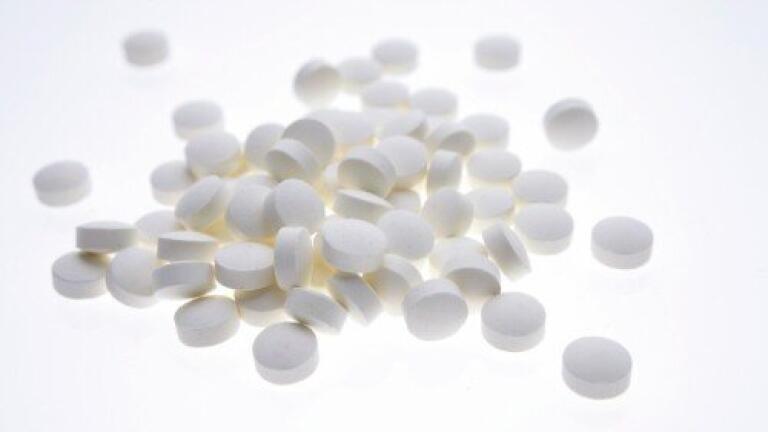
A clinical trial has shown positive results in the treatment of idiopathic pulmonary fibrosis, meaning that the first drug for the treatment of the condition could soon be approved. The trial involved treating patients that were diagnosed with a fatal scarring of the lungs with the drug pirfenidone, resulting in the lung function decline slowing down.
Approval for the experimental drug was previously sought in 2010, however, the Food and Drug administration (FDA) refused to approve pirfenidone. The FDA requested that InterMune, the developer of the medication, conduct a further clinical trial to show how effective the drug is when used for treating idiopathic pulmonary fibrosis.
InterMune announced on Tuesday (February 25th) that the drug met both its primary and secondary goals in the study. Pirfenidone was found to slow the deterioration of lung capacity, helping to extend patients' lives without the disease progressing when compared to placebo treatments.
According to the study, only 16.5 per cent of patients that were treated with pirfenidone either experienced a ten per cent decline in lung capacity or died, compared to 31.8 per cent of those patients that were treated with the placebo. InterMune announced that the risk of disease progression or death was decreased by 43 per cent when patients were treated with the drug.
The trial involved 555 US patients and eight from other countries that had been diagnosed with pulmonary fibrosis. Some 22.7 per cent of these patients that received the drug experienced no lung function decline, whereas only 9.7 per cent of those that received the placebo saw no decrease in lung function.
It was also found that pirfenidone helped patients to live for longer following diagnosis. Although this single trial did not show significant results in this area, when combined with the results from the previous two clinical trials, there was a significant reduction in the rate of mortality. These results could mean that the FDA will approve the drug, which is already in use in several other countries.




 Product directory