Supercritical fluid (SFC), green chromatography
Published over 7 years ago. See the latest and most current information on Supercritical fluid (SFC), green chromatography.
Mental illness is unfortunately a common occurrence. The emotional and economic cost to individuals, families, and society is enormous. There are different pathways to treating mental illness depending on the specific condition and individual.
One of the main disorders associated with mental illness is depression, with almost 20% of people in the UK aged over 16 showing symptoms of anxiety and depression according to a recent report. When suffering from depression there are many avenues that can help alleviate the symptoms – it is not always possible to cure depression or to fully remove the causes. Looking after ourselves can help – exercise, talking, sleep and food have all been shown to help – but sometimes antidepressants are needed.
The chemical changes in our brains that result in the symptoms of depression are not fully understood – and indeed, the evidence that it is chemical changes in brain chemistry that cause depression is very weak. The theory that we have a chemical imbalance is unproven – and the exact cause of depression is still unknown. It is believed that genetics, social and environmental factors all have a role to play in whether a person will suffer with the black dog.
However, one of the main treatments for depression is using antidepressant medicines. There are several different types, but they all affect the actions of neurotransmitters in the brain and how these neurotransmitters release, reabsorb or breakdown chemical signalling molecules in the brain. Classes of drugs used to treat depression include:
Sphingolipids are lipids that are believed to protect the cell surface against harmful environmental attacks. They are also believed to play a role in cell signalling and cell recognition. Lipids in the brain regulate where proteins are found and how they work - so, they can play a role in signalling which in turn is linked to depression.
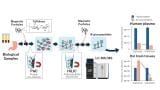
A recent paper has studied the role of antidepressants on the sphingolipids in the brains of mice. Chromatography was used to analyse the levels of sphingolipids and antidepressants in brain samples. The use of chromatography to analyse samples is discussed in the article, Addressing the Need for Faster Screening and Fraction Collection for Chiral and Achiral SFC. The paper’s author reports that sphingolipids play a role in mechanism of action of the antidepressant drugs tested.
Could this help researchers to put a lead on the black dog?



 Product directory