HPLC, UHPLC
Published over 14 years ago. See the latest and most current information on HPLC, UHPLC.
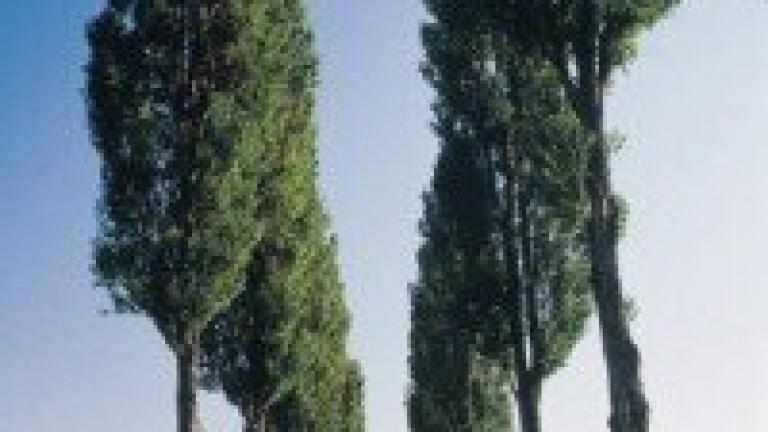
A series of mass spectrometry processes have been used to shed light on the proteins involved in the dormant terminal buds of poplar trees.
The team from the State Key Laboratory of Forest Genetics and Tree Breeding in China explained that while there has been considerable progress in identifying the molecular mechanisms involved in bud dormancy of woody plants, little is known about the roles of protein phosphorylation.
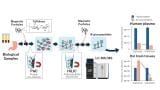
In a study published by BMC Plant Biology, the scientists used mass spectrometry combined with TiO2 phosphopeptide-enrichment strategies to investigate the properties of dormant terminal buds in the Populus simonii x P. nigra strain of poplar tree.
Following the investigation, the team identified 161 unique phosphorylated sites in 161 phosphopeptides from 151 proteins, 141 proteins with orthologs in Arabidopsis, and ten proteins unique to poplar.
The scientists found through mass spectrometry that most of the phosphoproteins were involved in binding and catalytic activity, with the study highlighting that proline-directed kinases were a major group involved in dormant poplar tissues.
Posted by Fiona Griffiths



 Product directory