Help Desk
Published over 7 years ago. See the latest and most current information on Help Desk.
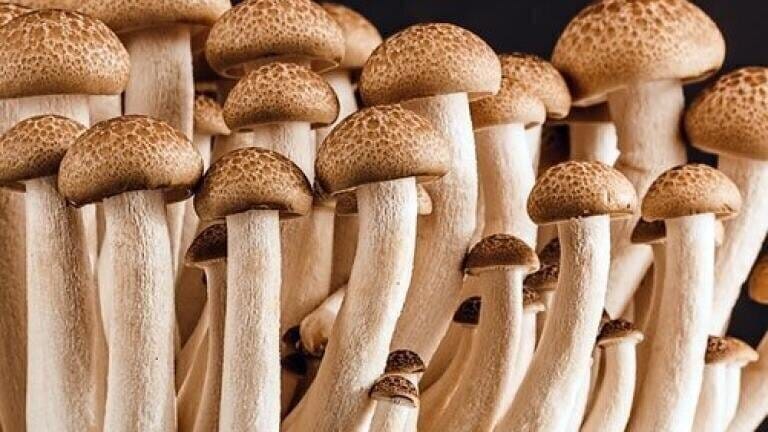
Edible mushrooms are a commonly used foodstuff in all types of meals. A simple topping on pizza, part of a full English breakfast or part of a wholesome and filling risotto - mushrooms are a versatile and tasty addition to the kitchen. Mushrooms are the fruiting body of a fungus, that contains the spores - the agents used by fungi such as mushrooms and toadstools - used to asexually reproduce.
But mushrooms are offer more than being an inexpensive and natural ingredient in the kitchen. They also offer pharmaceutical companies a readily available source of different compounds that are being investigated as possible bioactive compounds. And a recent paper published online in the journal Agriculture and Natural Resources - Study of prebiotic properties from edible mushroom extraction - reports on a possible use as a prebiotic.
Go into any health food shop or supermarket and you’ll see probiotic yoghurt drinks and prebiotic foods. But what are the benefits of these health foods and what is the difference? Both ‘biotics’ affect one of the most important parts of the human body - our guts. Specifically, our gut flora or gut microbiota - the bacteria that live in our guts and protect us from harmful bacteria, regulate inflammation and signal our immune system.
Two ways we can help gut flora thrive are through probiotics and prebiotics. They come from different foods and have different roles:
Prebiotics provide the nutrients that our helpful gut flora need to thrive. Eating prebiotics can help us get a healthy gut, as when out good flora thrive, bad gut bacteria are forced out giving us a healthy gut. This helps us to stay healthy.
In the paper referenced above, the team of researchers from Thailand investigated the prebiotic properties in seven varieties of edible mushrooms. The team were interested in the probiotic growth stimulation, pathogenic inhibition and gastrointestinal tolerance due to the mushroom’s prebiotic properties. After extracting carbohydrates from the mushrooms, they analysed them using chromatography - a technique discussed in the article, Using Different HPLC Column Chemistries To Maximise Selectivity For Method Development. The team found that the ‘mushrooms extracts displayed highly efficient prebiotic properties’. This enhances the humble mushrooms reputation as an attractive functional food.


 Product directory