GC, MDGC
Published over 14 years ago. See the latest and most current information on GC, MDGC.
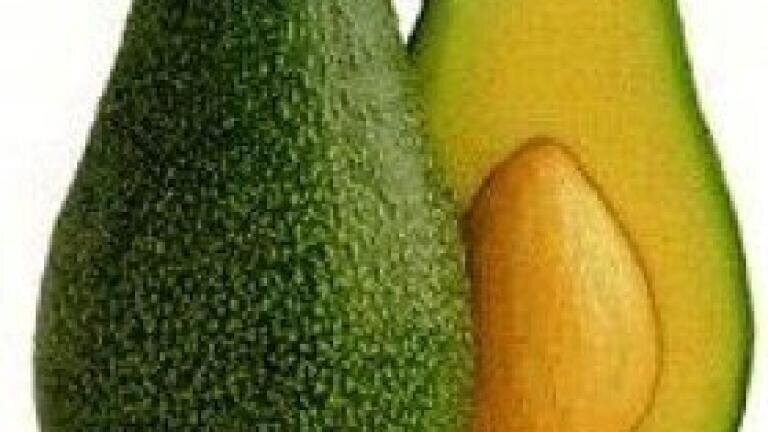
New strategies are being found to fight against a beetle threatening avocado trees in the US.
Laurel wilt disease is caused by the fungus Raffaelea lauricola, and is spread by the Redbay Ambrosia beetle.
The beetle is an invasive pest from Asia that has spread to the Carolinas, Florida and west to Mississippi.
Most (90 to 95 per cent) infected trees are killed by the disease.
US Department of Agriculture (USDA) scientists fear that major avocado producing areas such as Mexico and California are at threat of the disease-spreading beetle.
Paul Kendra's team at the Agricultural Research Service (ARS) Subtropical Horticulture Research Station (SHRS) in Miami, are working to reducing the risk.
They are looking for chemical attractants for beetle snares, spraying trees in the ARS avocado collection with fungicides to slow-down the rate of spread, and they are also transporting trees from the Miami avocado germplasm collection to disease-free locations.
In the field, scientists compared the amount of beetles attracted to phoebe and manuka oil lures, bolts of wood from lychee trees and from three races of avocado trees.
Research shows that this type of beetle "sniffs out" volatile compounds, like other bark beetles.
In laboratory tests, the scientists performed "choice" experiments by placing avocado and lychee wood on either ends of a plastic bin and putting the beetles in the centre to determine which wood they preferred.
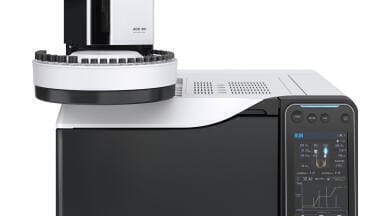
Gas chromatography-mass spectrometry (GC-MS) was used to analyse which compounds were released by the two types of wood.
Lychee was found to be the most attractive wood to the beetles and there was no clear preference by the creatures among the three types of avocado trees.
There were 29 compounds found in total, of which three attracted the beetle. The lychee had large amounts of all three.
Consequent research, with results published in the Journal of Economic Entomology, showed that the manuka lures lasted only about two to three weeks, while the phoebe oil lures were effective for ten to 12 weeks.
Due to this research, Florida agriculture officials now know how long the manuka lures work and they, along with growers, will also benefit from the discovery that the beetles favour freshly cut wood surfaces.
This finding will help growers understand that trees are susceptible to attack throughout the pruning period.
Posted by Ben Evans

 Product directory















.jpg)


.jpg)

.jpg)