Research commissioned by the Campaign for Safe Cosmetics and conducted using
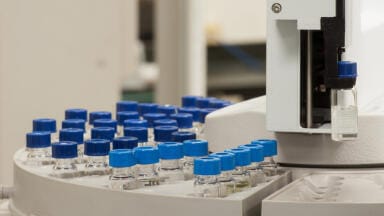
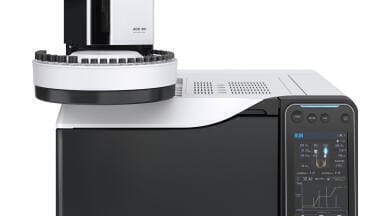
gas chromatography-mass spectrometry instrumentation has revealed some of the ingredients being hidden by US perfume producers under the general banner of 'fragrance'.
Under US laws, perfume makers are not required to list every single component that goes into making their products' signature scents, instead being permitted to call the aroma-inducing ingredients the 'fragrance' of the product on the packaging.
However, analysis using
gas chromatography-mass spectrometry found that many of these hidden ingredients are known to have harmful effects.
For instance, synthetic musks found in the research have not been fully studied but are, in some circles, believed to cause photosensitivity to ultraviolet light and disrupt hormone systems in humans.
Dr Anne Steinemann, professor of public affairs at the University of Washington, adds that "second-hand scents are also a big concern" due to the effect that a fragranced product might have on the passers-by who smell it.



 Product directory




















.jpg)

.jpg)

.jpg)