The European
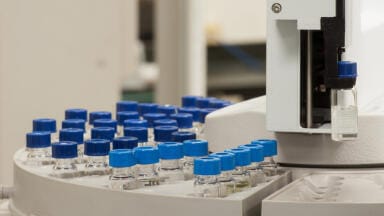
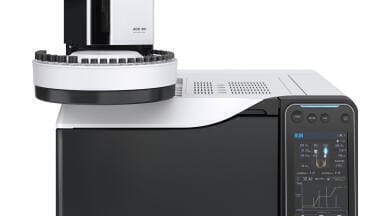
Food Safety Authority has applied gas chromatography to the process of detecting trace elements in foods containing glycerol esters of gum rosin (GEGR) that might support or dismiss concerns about toxicity.
Gas chromatography was one of three techniques used to look for potentially toxic trace elements in foods, along with infra-red spectroscopy and nuclear magnetic resonance.
However, the results were inconclusive, as the researchers failed to demonstrate that GEGR can be considered as equivalent to glycerol esters of wood rosin (GEWR).
It was hoped that equivalence of GEGR to GEWR might be demonstrated, allowing the former to be declared safe as the latter already has been.
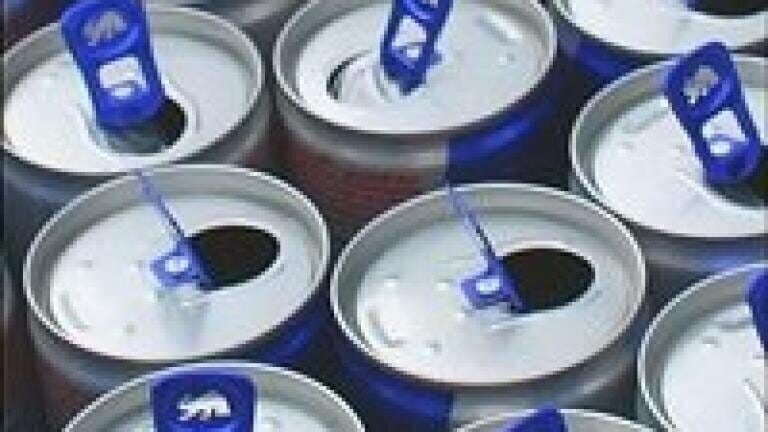
GEGR is an emulsifying agent typically used in cloudy spirit drinks and also in some cloudy non-alcoholic flavoured drinks.
The European
Food Safety Authority was first established in 2002, with the aim of researching health issues relating to citizens' diets after a number of scares in the late 1990s.


 Product directory




















.jpg)

.jpg)

.jpg)