Scientists have discovered a way of using magnetoflorescence to target gastric cancer, making it easier to identify.
The study published by the Journal of Nanobiotechnology chose to investigate gastric cancer, as it is the second most common type of the disease in China and globally is the second biggest cause of death.
However, despite its prevalence, early diagnosis of gastric cancer remains difficult, as does therapy of patients affected by the disease.
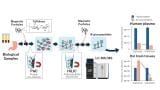
The study aimed to develop one kind of multifunctional nanoprobes for in vivo targeted magnetofluorescent imaging of the illness.
Scientists injected mice with gastric cancer cells and BRCAA1-conjugated fluorescent magnetic nanoprobes before using
fluorescence optical imaging and magnetic resonance imaging processes.
The BRCAA1 protein exhibited over-expression in 64 per cent gastric cancer tissues and showed no expression in normal gastric tissues, giving it great potential in applications such as dual-model imaging and local thermal therapy for early signs of gastric cancer.




 Product directory