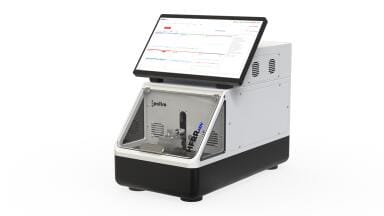
Scientists have used
quantitative analysis to discover if there are any links between mutations in RNF8, UBC13 and MMS2 genes and the familial likelihood of developing breast cancer.
In the study published by BMC Medical Genetics, the team revealed that BRCA1 and BRCA2 genes are currently identified as 'susceptibility genes', however they only account for less than 25 per cent of familial aggregation of breast cancer.
This suggests that additional susceptibility genes must exist, with the team undertaking the study to investigate whether RNF8, UBC13 and MMS2 are plausible candidates.
Using quantitative analysis of mutations in the genes, the scientists identified several changes in RNF8 and UBC13 but witnessed no alterations in MMS2.
However, the report suggested that none of the changes identified appeared to be associated with an increased chance of breast cancer susceptibility.
"Although a small study like this cannot exclude the possibility of some other rare mutations in RNF8, UBC13 and MMS2 might predispose to breast cancer, based on our findings they [are] unlikely [to] make any sizeable contribution to cancer predisposition," the study concluded.





 Product directory