Gel electrophoresis and mass spectrometry have been used in the
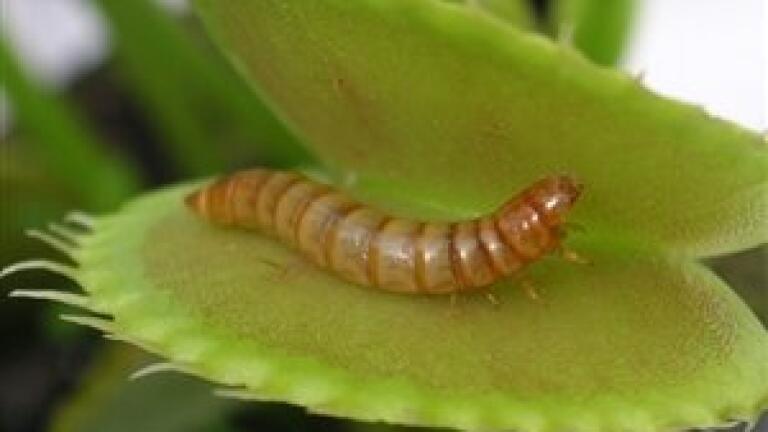
quantitative analysis of proteins found in silkworm at different stages of metamorphosis.
Published in the open-access cellular and developmental biology periodical Proteome Science, the findings come from a team at China's Southwest University.
They undertook the
quantitative analysis in order to learn more about how the expression of different proteins changes as metamorphosis progresses.
Among their discoveries was an abundance of proteins known to be linked with immunity.
Protease inhibitor, serine proteinase-like protein, paralytic peptide-binding protein, prophenoloxidase and hemolin were all among these.
A total of 34 proteins were identified in all, including some directly involved in metamorphosis and others instrumental in nutrient storage and transfer, metabolism, digestion and programmed cell death.
The expression of these varied throughout the lifecycle of the worm, indicating an association between the proteins and the metamorphosis of the creature.
Samples used in the testing included silkworm at numerous stages of pupation and at the beginning of the moth stage.




 Product directory