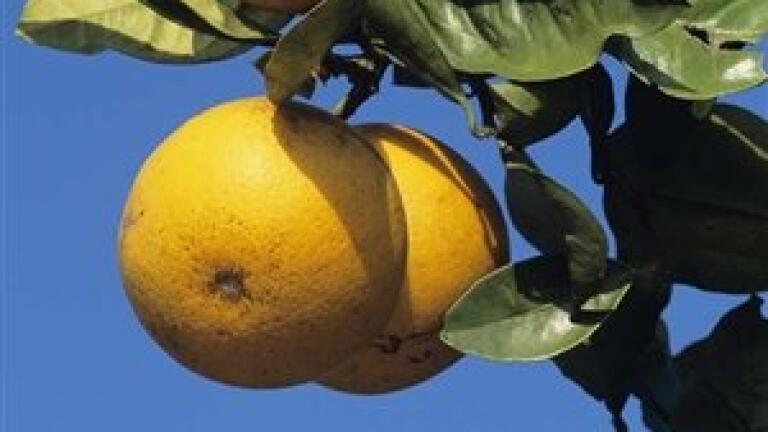
Consuming citrus fruits could help to protect against a number of different forms of cancer, according to quantitative analysis undertaken by scientists in Texas.
Researchers at Texas A&M University and the University of Texas Pan-American used silica gel chromatography to analyse defatted sour orange seed powder.
They then undertook quantitative analysis of the impact of citrus limonoids on female mice.
By inducing activity in phase II detoxifying enzymes in a number of different organs, the scientists claim that the compounds may have a protective effect against cancer in those parts of the body.
For instance, in the stomach a 200 per cent increase in reduced nicotinamide dinucleotide phosphate quinone reductase activity was detected.
Similar effects were seen in other organs across a range of different assessment criteria for phase II enzyme activity.
BMC Complementary and Alternative Medicine is a periodical focusing on techniques which either work alongside or potentially replace conventional forms of medicine.




 Product directory