A distinct species of the Chlorella variabilis virus has been detected by scientists in Japan following
quantitative analysis of algae from Lake Biwa using gel electrophoresis.
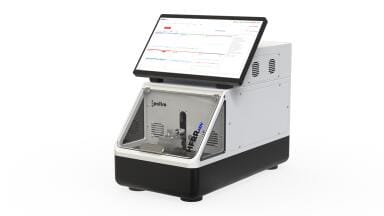
The researchers from Ritsumeikan University used pulsed-field gel electrophoresis to study different viruses found in the lake.
Among them was CvV-BW1, a designation given to the virus by the scientists, who selected it for further characterisation.
Their
quantitative analysis revealed a linear DNA genome measuring 370 kb, while the virus was seen to form small plaques in testing.
Its properties classify the virus in clade B of a phylogenetic tree constructed for the CvV virus's most resistant H group of strains.
By contrast, all previous strains that have been identified fell into clade A, leading the researchers to conclude that CvV-BW1 represents a distinct species of the virus.
Their findings are published in Virology Journal, an open-access periodical which aims to create an alternative mode of virology communication to the traditional processes used.




 Product directory