Scientists have used
quantitative analysis processes to identify morphological changes in diabetic kidneys.
In a study published by Clinical Proteomics, a team from the Kyorin University School of Medicine Tokyo sought to identify proteins that change in the extent of the modification with O-linked N-acetylglucosamine (O-GlcNAcylation) in the kidney from diabetic model Goto-Kakizaki (GK) rats.
It also aimed to discuss the link between O-GlcNAcylation and diabetes in order to create potential biomarkers.
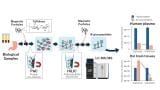
O-GlcNAcylated proteins were identified by two-dimensional gel electrophoresis, immunoblotting and peptide mass fingerprinting. The level of O-GlcNAcylation of these proteins was examined by immunoprecipitation, immunoblotting and in situ Proximity Ligation Assay (PLA).
The scientists found that the extent of O-GlcNAcylation of these proteins increased in diabetic kidneys, with significant increases in actin, alpha-actinin 4 and myosin.
According to the report the O-GlcNAcylation of cytoskeletal proteins are closely associated with the morphological changes in the podocyte foot processes, while alpha-actinin 4 provides an ideal biomarker to further examine the relationship.





 Product directory