Electrophoretic separations
Published over 14 years ago. See the latest and most current information on Electrophoretic separations.
Posted by Fiona Griffiths
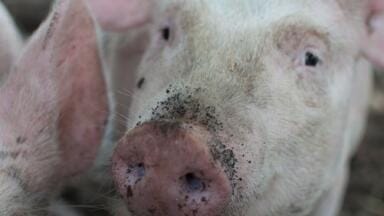
Quantitative analysis processes have been used to determine the best method for rapid detection of porcine circovirus type 2 (PCV2).
According to teams of scientists from China, in a study published by the Virology Journal, PCV2 is the primary causative agent of the emerging swine disease known as postweaning multisystemic wasting syndrome (PMWS), with polymerase chain reaction (PCR) the most commonly used method to test for it.
However, the team suggested that loop-mediated isothermal amplification (LAMP), a novel nucleic acid amplification method developed in 2000, could have a more sensitised and specified reaction to PCR.
"The amplification of LAMP could be obtained at 63 degrees C for 60 minutes. The detection limit was nearly 1 copy of DNA plasmid, more sensitive than PCR," the report claimed.
It was found that there was no cross-reaction with porcine circovirus type 1 (PCV1), porcine pseudorabies virus (PRV) and porcine parvovirus (PPV), with the scientists claiming that LAMP is a highly sensitive rapid detection.




 Product directory