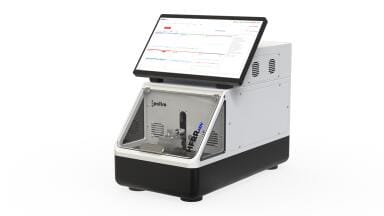
Research into the oncogenes associated with human papillomavirus (HPV) using high-resolution
fluorescence capillary electrophoresis has indicated a fast and straightforward technique for detecting the E6 and E7 genes.
Oncogenes are sequences of genetic code associated with increased risk of cancer, or with the activation of cancerous cell production in the body.
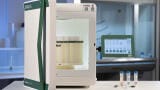
Scientists writing in Infectious Agents and Cancer describe how high-resolution
fluorescence capillary electrophoresis allowed them to genotype short fragments obtained through polymerase chain reaction targeted at the E6 and E7 genes.
Two low-risk genotypes and 19 believed to be of high risk for the development of cervical cancer were targeted in the analysis.
HPV16 and HPV18 - the genotypes indicated in national patterns - were accordingly associated with the majority of tumours in the analysis, at 69 per cent.
"A primer-rich polymerase chain reaction readily detects the E6 and E7 oncogenes of 21 HPV types in cellular and fixed tissue specimens," the scientists conclude.





 Product directory