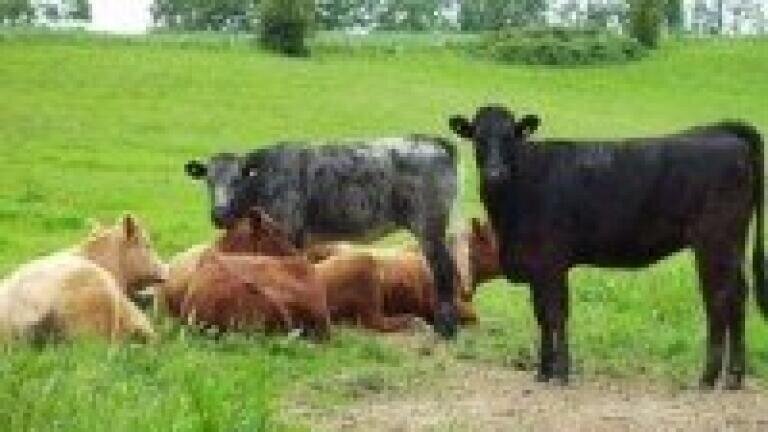
Analytical chemistry conducted on cattle faeces has revealed that bacteria resistant to antibiotics included in cows'
food can survive for as long as 175 days after being excreted.
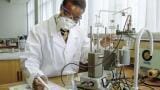
Research published in BMC Microbiology shows how scientists applied denaturing gradient gel electrophoresis to the faeces, allowing microbial content to be quantified.
They found a number of bacteria resistant to antibiotics, which are often included in livestock feed to help promote growth.
Notably, however, the bacteria were still present after 175 days outside of the body of the cow - leading the scientists to urge that more manure be composted as a way of reducing the lifespan of the pathogens.
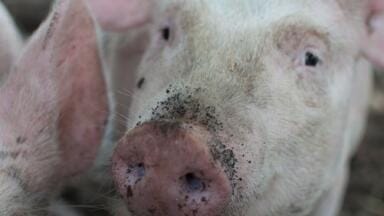
The news coincides with the publication of similar
analytical chemistry from Kansas and North Carolina State Universities, warning of a significantly higher prevalence of resistant bacteria in swine and the insects that visit pig farms.
Researchers expressed concern that it may be possible for those insects to transfer the bacteria, which could be resistant to common antibiotics, into the domestic setting.




 Product directory