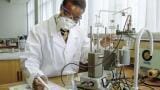
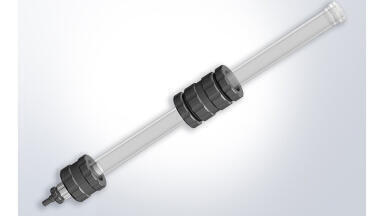
Column chromatography has been applied to a
biochemistry study of carbonic anhydrase (CA) isozyme levels in chicken erythrocytes.
Scientists writing in Acta Veterinaria Scandinavica explain that CA-II isozyme levels have not, as yet, been determined or reported in chicken erythrocytes.
Their biochemistry process aimed to overcome this, combining column chromatography with the ELISA system to measure CA-II levels in the creatures' haemolysate.
"Levels of CA-II in female White Leghorn chickens significantly decreased at 63 weeks [of age]," they write.
Meanwhile, "levels of CA-II in male White Leghorn chickens did not show changes in the week-three to week-59 time frame".
Among all of the 351 chickens assessed, females aged 25, 31 and 49 weeks were shown to have the highest mean levels of CA-II.
The team comprised scientists from Azabu University in Kanagawa, Japan, with the findings made available on an open-access basis by the domestic and wild veterinary research publication.



 Product directory