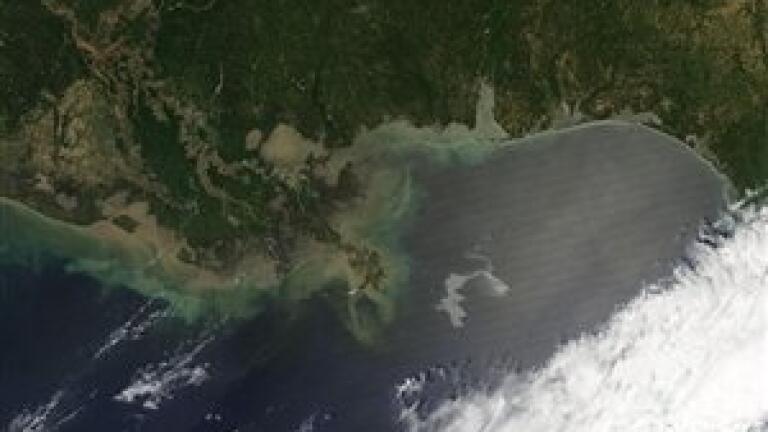
The hydrocarbons released into the Gulf of Mexico from the failed Deepwater Horizon rig are being examined through a
liquid-liquid extraction process achieved using sophisticated underwater mass spectrometry (MS) equipment.
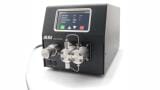
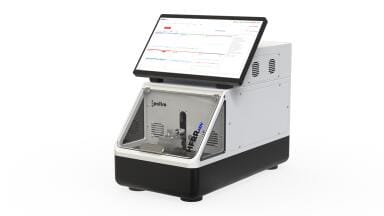
Called TETHYS, the system is a compact MS unit being deployed by Woods Hole Oceanographic Institute to determine the biological impact and chemical composition of the leaking oil.
Phillip Taylor, acting director of the division of ocean sciences at the National Science Foundation - which is helping to fund the efforts - explains the importance of the skilled individuals behind the
liquid-liquid extraction taking place.
"The effort is another example of research scientists stepping up quickly to address the crucial and challenging questions about the fate and environmental consequences of the spilled oil," he says.
Rig operator BP is facing further obstacles with the news that hurricane activity in the area is likely to delay its efforts to halt the leak.



 Product directory