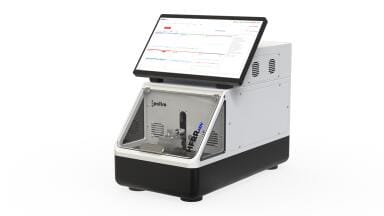
A Chinese medicine made by combining four herbs is being investigated using
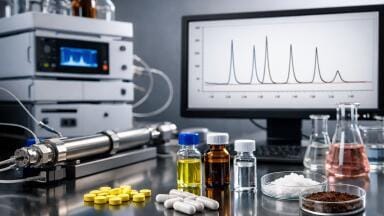
liquid chromatography-mass spectrometry (LC-MS) to determine its biological and chemical fingerprint.
PHY906 is effective at reducing gastrointestinal toxicity resulting from treatment with CPT-11, a chemotherapy drug also known as irinotecan, the researchers write in Science Translational Medicine.
The 1,800-year-old formulation is now the subject of LC-MS investigations to learn more about its structure, reports Nature.
Yung-Chi Cheng, a pharmacologist at Yale University who is working on the project, tells the news provider: "This is a new paradigm of drug development. It's a typical example of West meets East."
In their study, the scientists note how PHY906 is able to increase anti-tumour effects during treatment with CPT-11, while also reducing the amount of weight lost by the patient.
They add that the anti-toxicity effects witnessed occur simultaneously through a number of different mechanisms when the herbal medicine is administered to chemotherapy participants.




 Product directory