Liquid chromatography and tandem mass spectrometry (LC-MS) have been applied to proteomic research into Xanthomonas citri.
A team of scientists from a number of Brazilian institutions have published the findings of their LC-MS analysis in Proteome Science.
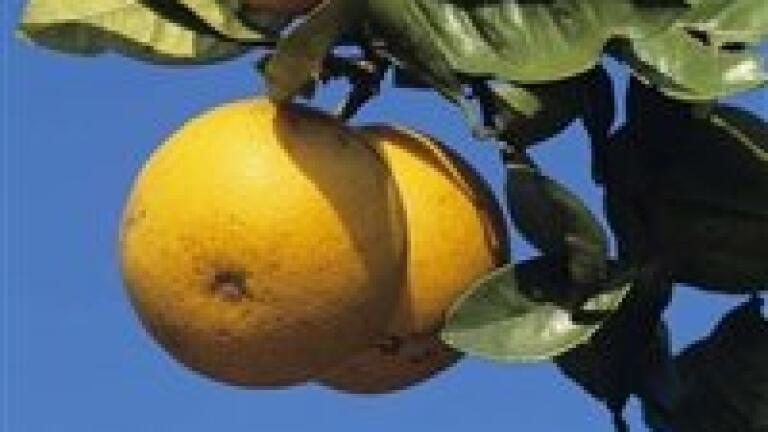
They explain how this is the first time that a proteomic reference map has been created for the most aggressive form of Xanthomonas, a pathogen which affects all varieties of orange.
It is responsible for causing citrus canker, a disease which spreads rapidly and decreases the quality and yield of fruit.
Among the findings of the study, the team say they were able to learn about the impact of culture medium on protein expression and growth of the pathogen.
They were also able to demonstrate that Xanthomonas citri has intermediary and central mechanisms and regulation factors for transcription, replication and metabolism.
Proteome Science publishes manuscripts addressing all topics relating to structural and functional proteomics.




 Product directory