HPLC, UHPLC
Published over 7 years ago. See the latest and most current information on HPLC, UHPLC.
It is widely accepted that the best food for infants is breastmilk. Feeding infants breastmilk for the first six months of their life is part of the strategy recommended by most health organizations including the World health Organization. But what happens after the six months - when it comes time to weaning infants onto ‘solid food’.
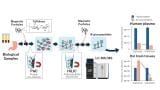
A recent article in the journal Nutrients - Content of Iron and Vitamin A in Common Foods Given to Children 12–59 Months Old from North Western Tanzania and Central Uganda - has looked at the diets of infants in sub-Saharan Africa. The researchers used chromatography to analyse the micronutrient content of current staple foods to help develop future interventions aimed at improving the diets of infants weaning off breastmilk.
The process of switching infants from breastmilk, or formula, to other foods and fluids is known as weaning. The American Academy of Pediatrics (AAP) follows many other advisors in recommending breastmilk for the first six months, with the introduction of small amounts of solids between 4-6 months. These foods will eventually replace breastmilk and must provide sufficient energy, protein and micronutrients to meet the child’s increasing nutritional requirements.
Unfortunately, weaning is not always straightforward and it is important to ensure that infants get the nutrition they require. During the transition period as infants are rapidly growing, they need more nutrition - however, research has shown that there is an increased incidence of malnutrition. Improving the food eaten is the best way to ensure that infants get adequate nutrition.
In the study referenced above, the popular foods given to children in East Africa from 1-5 years old were analysed for micronutrient content. Particular emphasis was placed on vitamin A and iron content of the foods as previous studies have found that these micronutrients are lacking in many diets. These deficiencies can cause poor health and mental impairment - problems at any age and only accentuated in infants as they rapidly grow.
The team analysed six meals that are regularly fed to infants in East Africa: maize-based porridge, steamed-mashed banana served with beans, banana cooked with beans, banana cooked with groundnut sauce, stiff porridge (Ugali) served with beans and sardines, and cassava cooked with beans. They used liquid chromatography to analyse the foods, a technique discussed in the article, The Role of Methanol and Acetonitrile as Organic Modifiers in Reversed-phase Liquid Chromatography.
The researchers found no trace of either vitamin A or iron in maize-based porridge, which is quite alarming as this is one of the most used weaning dishes East Africa. Overall, the team concluded that the current ‘weaning’ foods, coupled with reduced breastfeeding, are providing poor sources of vitamin A and iron. They suggest:
‘There is therefore a need to explore the available opportunities around modifying the preparation methods and incorporating more nutritious and diverse ingredients for better nutrition content.’




 Product directory