Artemisinin sources among the plant population of northern Pakistan have been discovered using
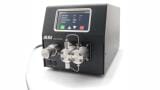
high performance liquid chromatography (HPLC).
Research published in Malaria Journal reports the efforts of a team comprising scientists from Quaid-i-Azam University in Islamabad, Massey University in New Zealand and Pakistan's COMSATS Institute of Information Technology.
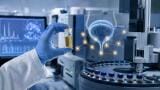
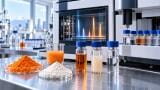
They applied HPLC to the analysis of artemisinin concentration in stems, roots, leaves and flowers of 15 different species of Artemisia plants.
In their abstract, they explain: "There is a great concern that the artemisinin production at current rate will not meet the increasing demand by the pharmaceutical industry, so looking for additional sources is imperative."
Derived from Artemisia annua, an annual herb, artemisinin is the "current drug of choice" in combating a number of diseases, including malaria.
In all, 12 novel plant sources for artemisinin were discovered by the scientists in what they claim is the first
quantitative analysis of concentrations in a large group of species of Artemisia.
The periodical is dedicated to the dissemination of manuscripts covering all of the issues connected to malarial disease.




 Product directory