Analysis using
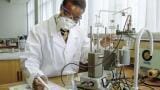
high performance liquid chromatography (HPLC) has revealed a mismatch between best practice and real-life behaviour of users of long-lasting insecticide-treated nets (LLINs).
Scientists from the Centers for Disease Control and Prevention examined four brand-name LLINs, with their findings reported in Malaria Journal.
They investigated the recommended method of washing the nets, compared with realistic alternatives such as hand-washing and beating them against rocks.
Drying regimes were also studied - such as hanging the nets in sunshine or spreading them in the shade - and HPLC used to measure how much insecticide was retained.
The conclusions drawn indicate that the ideal method cited by the World Health Organization retains significantly more insecticide than the real-world approaches employed by users of LLINs, with the scientists calling for better education at the point of sale.
Malaria Journal publishes articles immediately upon acceptance, with open access made available and a peer-review process adopted.




 Product directory