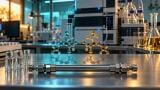
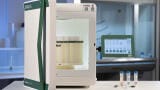
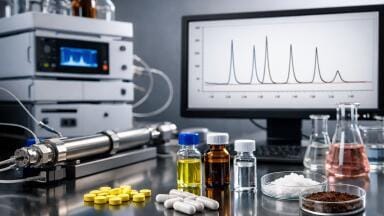
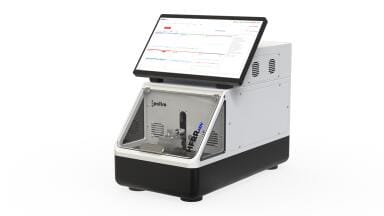
Levels of arsenic in agricultural feed are now being examined through the use of high-performance liquid chromatography (HPLC).
According to the All About Feed website, the method is proving key in identifying whether samples contain either roxarsone or p-arsanilic acid - two organic arsenic additives.
"The influence of the type and concentrations of ion-pairing reagents on the separation efficiency of the different arsenic compounds was examined," the information source noted.
In addition,
liquid chromatography and mass spectrometry techniques are being implemented as an "assistant tool" to screen for arsenobetain.
The portal added that a gradient elution procedure enables the best separation of samples, with results being achieved in under 20 minutes.
Scientists also examined the effects of mobile phase pH on the retention of arsenic species on the chromatography column.
Recently, the Philippines Department of Health used HPLC to reveal whether Turkish flour imports contained any harmful chemicals, following reports goods were contaminated.




 Product directory