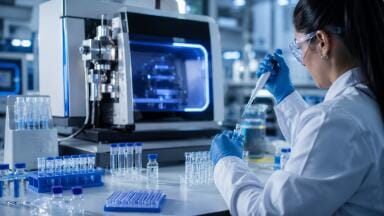
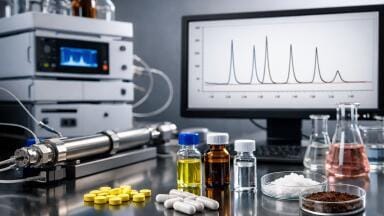
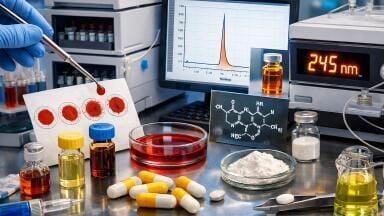
High performance liquid chromatography (HPLC) has been used to determine the environmental contaminants present in mammary tumours in dogs.
The research, published in this month's Diagnostic Pathology, shows the first detection of environmental contaminant levels in adipose tissue of malignant mammary tumours in female dogs performed using HPLC, the researchers claim.
They believe that pyrethroid may be involved in carcinogenesis in canine mammary tumours, based on the results.
While much research on animals is conducted with the intention of saving human lives, in this instance the scientists are working towards better diagnostics in dogs themselves in light of a growing threat from cancer.
"Mammary tumours of female dogs have greatly increased in recent years, thus demanding rapid diagnosis and effective treatment in order to determine the animal's survival," their study abstract explains.
Diagnostic Pathology is edited by Klaus Kayser of Humboldt University and receives manuscripts covering all elements of clinical and surgical pathology.




 Product directory