GC-MS
Published over 6 years ago. See the latest and most current information on GC-MS.
Wine making is a relatively simple process that has been practiced for thousands of years. The oldest example of wine is reportedly from an excavation in Georgia where tell-tale chemical signatures suggest wine making taking place around 8000 years ago. It is a natural process that is both science and art.
Much has been written about how terroir can impact a wine’s characteristics, less has been written about some of the other factors affecting a wine’s flavour. A recent paper in the journal Foods has investigated one particular aspect of the wine making process - aging - and how this can be altered using oak. And chromatography had the pleasure of measuring the difference oak can make to wine.
As stated, wine making is a relatively simple process that has been broadly understood for centuries. Most wine making follows five steps.
Using wooden barrels to age or alter a drink is commonplace. Distilleries use old barrels to store their product for a minimum of three years adding colour and flavour to malt whisky. And oak adds flavour and aroma to wine that has been aged in oak barrels or stored with oak chips. But the question arises - are all oaks the same when it comes to wine?
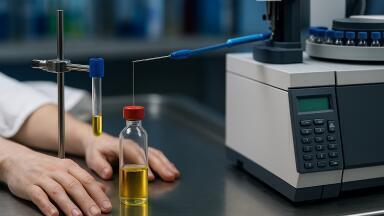
In the paper referenced above, researchers tested wines aged using American and French oak chips for 1.5 and 3 months. They analysed the wines for aroma chemicals using gas chromatography-mass spectrometry. The use of MS to analyse complex samples is discussed in the article, Recent Advances to Conquer Analytical Challenges with High-Resolution, Accurate Mass Spectrometry.
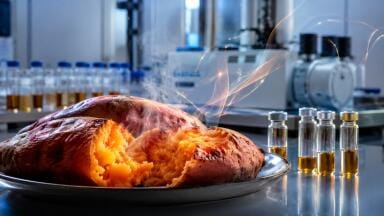
The scientists behind the research found clear differences between wines treated with French and American oak chips. There was also a measurable difference in the wines aged for longer. GC-MS extracted compounds that showed the differences between the French and American oak aged wines. - with the French oak wines having higher concentrations of compounds that generate smoky, liquorice and toasty aromas.

 Product directory
















.jpg)

.jpg)