Scientists have used
quantitative analysis processes to determine the presence of tobramycin in blood and urine during selective decontamination of the digestive tract in critically ill patients.
In a study published by Critical Care, a team from the Netherlands noted that tobramycin is one of the components used for selective decontamination of the digestive tract (SDD), applied to prevent colonisation and subsequent infections in critically ill patients.
Tobramycin is not normally absorbed into the body but the team hypothesised that the critical illness may cause a failure of the gut barrier, causing the components to be absorbed.
Using
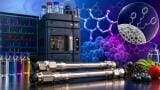
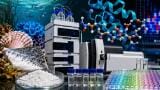
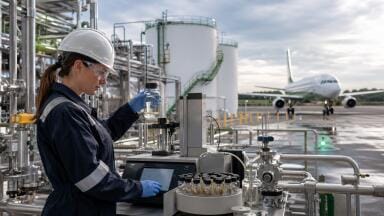
high performance liquid chromatography - mass spectrometry/mass spectrometry (HLPC-MS/MS), the scientists tested the blood and urine of 71 patients, once daily for seven days.
The team found that 99 per cent of those studied had at least one positive urine sample and 49 per cent had a urinary concentration greater than or equal to 1 mg/L.
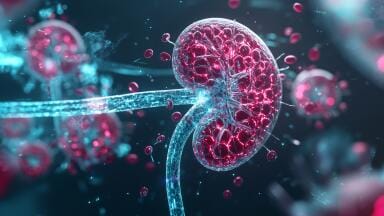
"The majority of acute critically ill patients treated with enteral tobramycin as a component of SDD had traces of tobramycin in blood, especially those with severe shock, inflammation and subsequent acute kidney injury," the team concluded.



 Product directory