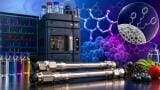
Experts have used gas-chromatography mass spectrometry (GC-MS) solid-phase microextraction and 1H-Nuclear Magnetic Resonance to analyse the faecal and urine samples of children with coeliac disease while studying their metabolome.
Compared with healthy people, coeliac patients are characterised by higher numbers of Gram-negative bacteria and lower numbers Gram-positive bacteria and the study aimed to investigate the microbiota and metabolome of 19 celiac disease children under a gluten-free diet.
PCR-denaturing gradient gel electrophoresis (DGGE) analysis was carried out in duodenal biopsies and faecal samples by universal and group-specific primers, with experts finding that the diversity of Eubacteria was higher in duodenal biopsies of suffers than in healthy children.
Bifidobacteria were only found in faecal samples, with the expert determining that gluten-free diet lasting at least two years did not completely restore the microbiota.
As a result, the metabolome of children with coeliac was not restored, with molecules such as ethyl-acetate and octyl-acetate, short chain fatty acids, free amino acids and glutamine appearing to be metabolic signatures of coeliac disease.


 Product directory