The hidden secrets of a number of famous paintings are being explored using
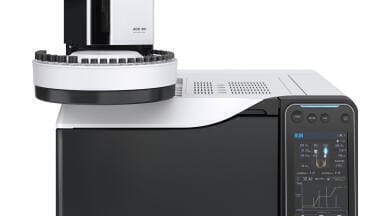
gas chromatography-mass spectrometry (GC-MS).
Scientists at the National Gallery received funding from the Engineering and Physical Sciences Research Council to apply GC-MS analysis to paintings in their collection.
Director of science Ashok Roy says: "Only tiny quantities of material are available for analysis as samples, plus the organic content can be very complex."
In addition to this, the degradation of the materials used over time means that the results obtained "have to be translated into assessments of the original chemical composition".
As well as allowing the original colour balance of old paintings to be determined, GC-MS can be useful in authenticating disputed works.
The Virgin and Child with an Angel, for example, was originally dated at 1490 and attributed to the Bologna-born artist Francesco Francia.
However, later tests found it was painted in the 19th century; doubts were created when a duplicate appeared on the open market.


 Product directory









.jpg)