Hepatitis E patients have been studied to determine how the
biologically active substances found in their blood plasma differ from healthy individuals.
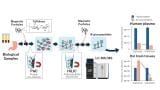
A team writing in Proteome Science explain how they used mass spectrometry to enrich the peptidome fraction of subjects' plasma.
They were able to identify a number of
biologically active substances associated with immune response that were differentially expressed between the infected and control groups.
In turn, they have created a peptide profile they say could be useful in future diagnoses of hepatitis E.
The condition occurs when contaminated drinking water is consumed, according to guidance from the World Health Organization.
However, it is not known to commonly be caused by person-to-person contact, during sex or during blood transfusions.
Moreover, the condition is self-limiting and typically clears up, except in acute cases where fulminant hepatic failure may occur and no known course of treatment exists to alter the outcome.



 Product directory


















.jpg)

.jpg)