GC, MDGC
Published over 13 years ago. See the latest and most current information on GC, MDGC.
Thermo Fisher Scientific is pleased to announce a new turn-key gas chromatography (GC) and triple quadrupole mass spectrometry/mass spectrometry (MS/MS) method for routine detection and quantitation of food borne nitrosamine compounds, which belong to the most hazardous cancer-causing contaminations in food.
This method, developed at Alpha Analytical in collaboration with Health Sciences Authority (HSA) in Singapore, utilizes innovative software to enable high sample throughput and rapid results with very high sensitivity and precision. Trace level determination is required to comply with the required regulations, and method development has been made to provide the required high sensitivity for the detection of the nitrosamine compounds for a fast, easy to implement routine method.
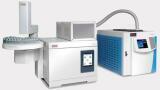
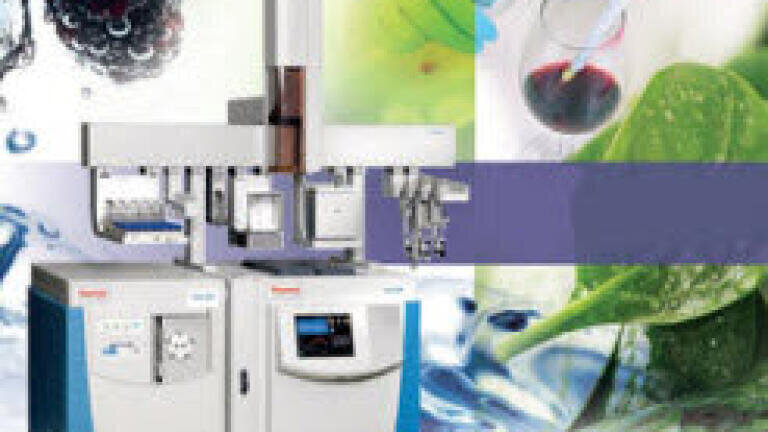
The Thermo Scientific™ TSQ 8000™ GC-MS/MS provides very high sensitivity and selectivity in the small molecule mass range and allows the detection of nitrosamines at very low concentration levels even in complex matrix samples. Application Note 10315: High Sensitivity Analysis of Nitrosamines Using GC-MS/MS demonstrates a method for analyzing nitrosamines in beer that uses a simple and standard approach utilizing the regular electron impact ionization (EI) and AutoSRM software for a very straightforward MRM method for low-level nitrosamine analysis.
Learn more about the TSQ 8000 GC-MS/MS at www.thermoscientific.com/tsq8000

 Product directory